
Family GP seamlessly turns to video consultations
Published: 18 November 2020
As the nation went into lockdown due to COVID-19 and Victoria experienced extended restrictions, family GP Dr Andrew Baird felt compelled to find a way to maintain contact with his patients.
“My patients were less likely to attend in-person consultations at the beginning of the pandemic which was a concern to me,” says Dr Baird, a GP at Elwood Family Clinic in metropolitan Victoria.
To support people continuing to safely access healthcare during the pandemic, the Australian Government introduced the COVID-19 temporary Medicare Benefits Schedule item numbers for video and phone telehealth. The Government also provides healthdirect Video Call to all GPs in Australia.
Dr Baird signed up for the service straight away, recognising the benefit of contactless face-to-face consultations during the pandemic. “It would have been easier to phone my patients but I felt I could connect better in a virtual face-to-face video consultation than in an audio-only phone consultation,” said Dr Baird.
Crisis the catalyst for innovation in general practice
Dr Baird realised he needed to pivot his business to enable video telehealth almost overnight and is one of a quarter of Australian GPs to take advantage of the free service.
Dr Baird found healthdirect Video Call an excellent platform for clinical consultations and consistent with general practice workflows.
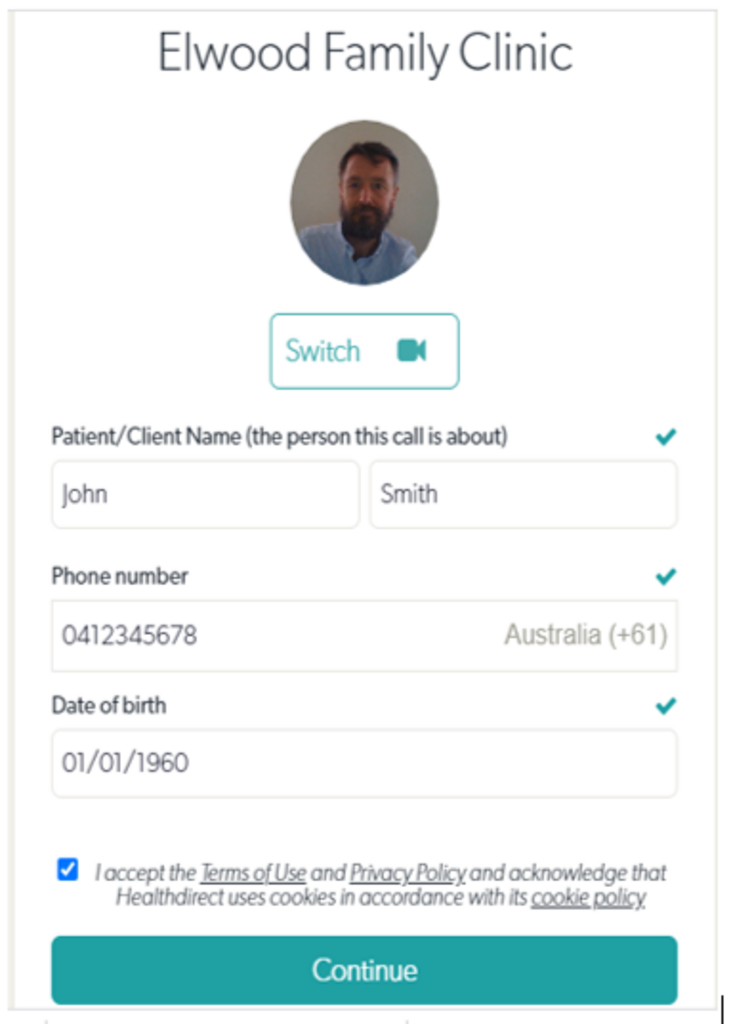
“I’ve found making a call very simple. I sign into the healthdirect Video Call portal, enter a virtual waiting room, select my desired patient, consult with the patient, safely share files and images with the patient and when we are both ready, we end the call,” he says.
I can do video consultations from the Clinic or from home. During lockdown, I’ve been doing video consulting from home, using a private room.
The Video Call is private and secure, encrypted end-to-end so when the Video Call ends, it disappears as if it never happened.
Video Call tips
Dr Baird has conducted more than 200 Video Call consultations and has these tips for doctors:
- be mindful that patients will pick up on your body language
- tell patients when you are going to look away from the camera to read clinical notes or write a referral
- speak in shorter sentences and a little slower than you usually would
- pause frequently when giving detailed information, and get the patient to ‘teach back’ to confirm that they have understood the information
- exaggerate gestures slightly to help with communication
- consider whether a video consultation is clinically appropriate
Feedback from Dr Baird’s patients has been unanimously positive. “There is no risk of getting COVID-19 from attending a Video Call and they like the convenience of remaining at home or work without the travel costs or wasted time.”
Getting ready for a future with telehealth embedded in the model of care
With the government committing support for telehealth into the future, Dr Baird believes video telehealth is here to stay, however he has noticed a perception among GPs that it’s hard to set up.
He recommends GPs who still have questions about how to include video telehealth into their practice workflow talk to GPs who are using video consultations to discuss the use and implementation of video for consultations. He also recommends talking to the Digital Health Manager at their Primary Health Network to get more information.
“Ultimately, I recommend just trying it and seeing the benefits for your practice and your patients,” concluded Dr Baird.
Last reviewed: November 2020