
Visualising heart disease to reveal risk improves patient adherence
Published: 19 August 2023
Article submitted by: Baker Heart and Diabetes Institute
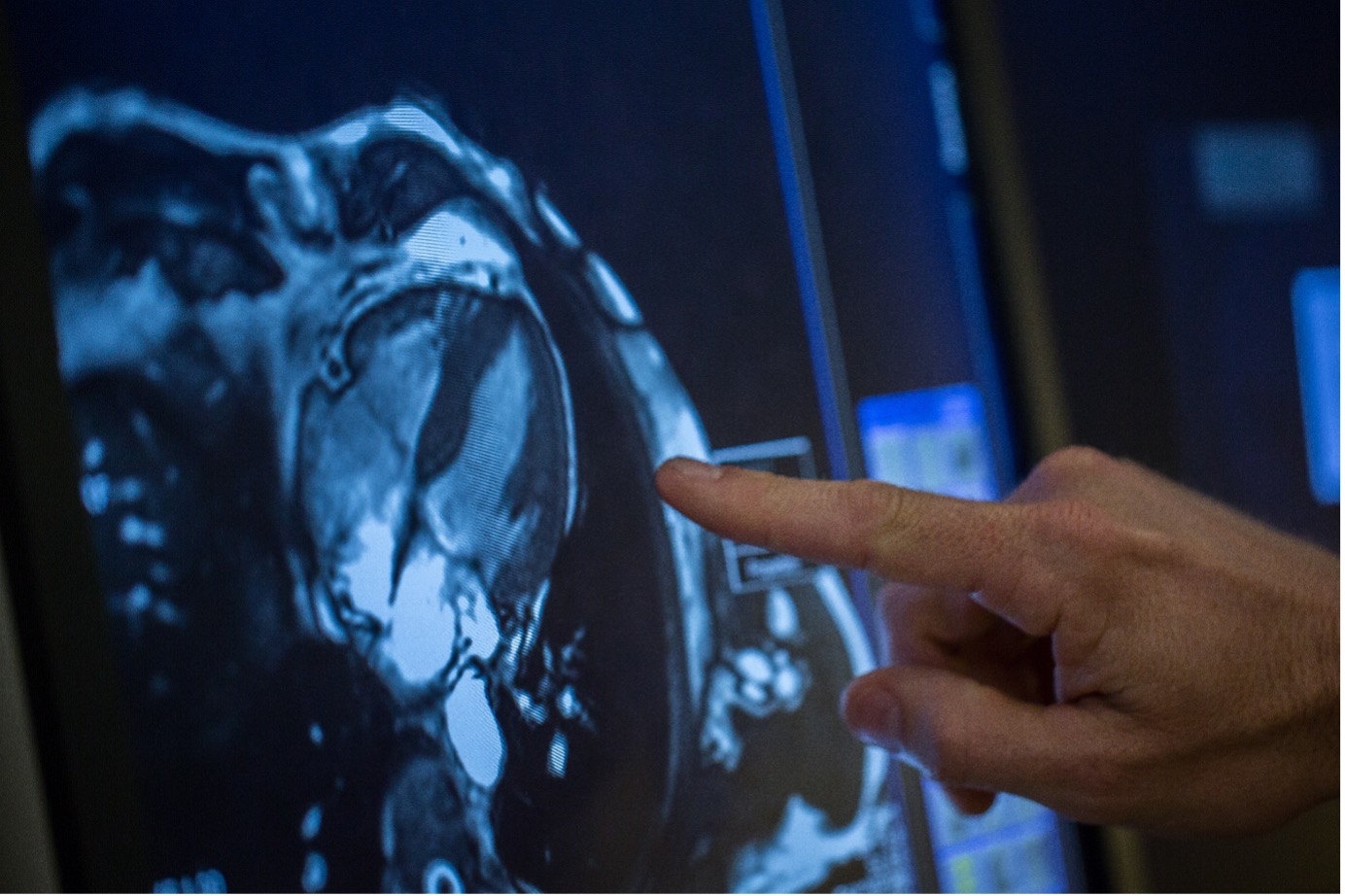
Using cardiac imaging to detect heart disease early on helps patients to understand their risk. It also improves how likely they are to continue taking medication as prescribed and to make lifestyle changes, according to a recent study by the Baker Heart and Diabetes Institute and the Menzies Institute for Medical Research.
Researchers found patients who looked at images showing calcium or plaque build-up in their arteries had improved levels of identifying risk factors like cholesterol and high blood pressure, and had an overall reduction in heart risk, according to the paper, which was published in JACC: Cardiovascular Imaging.
The researchers analysed six randomised controlled studies involving more than 7,000 patients and determined that patients’ viewing heart images decreases their risk in general as well as risk factors for individuals.
“This study shows that using pictures as well as conventional risk information is helping to bridge a person’s knowledge gap and to improve adherence to both medication and lifestyle change,” said Professor Tom Marwick, senior author and cardiologist at the Baker Institute.
Protecting patients with no symptoms
Evidence of a person’s risk of heart disease has also been reported as misunderstood or incorrectly perceived by people who don’t have symptoms.
“It can be difficult to get a person who feels completely well to take tablets every day to reduce their cardiac risk,” Professor Marwick said. “But once you can show people the blood vessels are damaged, they realise that it’s not about controlling a risk factor that may never cause a problem — it’s about treating a disease that has actually started.”
Identifying risk factors for heart disease, estimating the level of risk and managing it remain the current standard of care in the primary prevention of heart disease. However, Professor Marwick said current risk assessment models have some limitations. In addition to underestimation and overestimation of risk in certain populations, heart risk estimation is a one-off measurement of risk levels at a single point in time, so the assessment does not reflect the cumulative effect of exposure to heart disease risk factors over a lifetime.
The cardiac study was led by PhD candidate Kristyn Whitmore.
Last reviewed: September 2023